

 All News
Colon cancer is one of the most common — and most preventable — cancers. Routine screening plays a critical role in detecting colon cancer early and, in many cases, preventing it altogether. Understanding when to begin screening, what your options are, and what to expect can help you feel confident and proactive about your digestive health.
What Is Colon Cancer Screening?
Colon cancer screening refers to tests used to look for signs of cancer or precancerous growths, called polyps, in the colon and rectum. Colonoscopy is considered the gold standard for colon cancer screening. It allows the provider to examine the entire colon and remove polyps during the same procedure.
The goal of screening is not only to detect cancer early, when it is most treatable, but also to prevent cancer by identifying and removing polyps before they become cancerous.
When Should You Start Colon Cancer Screening?
For individuals at average risk, current guidelines recommend beginning colon cancer screening at age 45. Some people may need to start earlier or be screened more frequently if they have:
- A family history of colon cancer or polyps
- A personal history of inflammatory bowel disease
- Certain genetic conditions
- Symptoms like rectal bleeding, unexplained weight loss, or persistent changes in bowel habits
Your gastroenterologist can help determine the most appropriate screening plan based on your personal risk factors.
What to Expect From a Colonoscopy
A colonoscopy is a routine, safe procedure that is performed under sedation. While preparation involves temporarily changing your diet and taking a bowel-cleansing solution, the procedure itself is usually brief and well tolerated. Most patients are able to return to normal activities the following day.
Many people delay screening due to fear or uncertainty, but the benefits of early detection and prevention far outweigh the temporary inconvenience of preparation.
How Colon Cancer Screenings Helps Prevent Cancer
Unlike many other cancer screenings, colonoscopy can actually prevent cancer. By identifying and removing precancerous polyps, screening stops cancer before it starts. When colon cancer is found early, treatment is often more effective and less invasive.
When to See a Gastroenterologist
You should consider seeing a gastroenterologist if you:
- Are age 45 or older and have not been screened
- Have a family history of colon cancer
- Experience rectal bleeding or black stools
- Notice unexplained weight loss
- Have persistent changes in bowel habits
- Have ongoing abdominal pain or anemia
Discussing symptoms and risk factors early can make a meaningful difference in outcomes.
Final Thoughts
Colon cancer screening is a powerful tool for prevention and peace of mind. Staying up to date with recommended screening helps protect your digestive health and can save lives. Taking action today is an important step toward a healthier future.
At Gastroenterology Associates, our team is committed to providing comprehensive care for all aspects of digestive health. Please don’t hesitate to text 864-589-6714 or make an appointment with one of our providers.
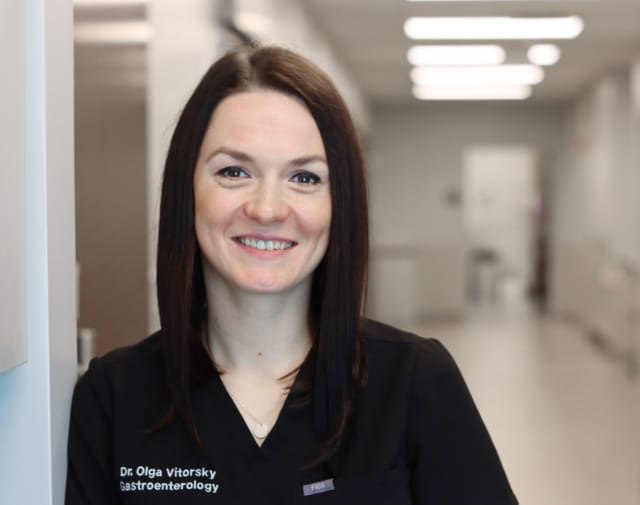
Written by Dr. Olga Vitorsky, Gastroenterologist


 View All Information