

 All News
As a gastroenterologist, one of the most important conversations I have with patients is about colon cancer screening. It’s not always an easy topic – many people feel anxious, embarrassed, or simply unsure about where to start. But here’s the reality: colorectal cancer is one of the most preventable cancers, and screening saves lives.
The Power of Early Detection
Colon cancer often develops silently. In its early stages, it may not cause any noticeable symptoms. By the time symptoms such as bleeding, abdominal pain, or changes in bowel habits appear, the disease may already be advanced.
- Colorectal cancer is the third most commonly diagnosed cancer in both men and women in the U.S.
- It is also the second leading cause of cancer-related deaths when men and women are combined.
Screening allows us to detect precancerous growths called polyps and remove them before they ever turn into cancer. It also helps us catch cancer early, when it is most treatable and often curable.
Screening Options: What Are Your Choices?
There are several ways to screen for colon cancer, and the right option depends on your individual risk.
1. Colonoscopy (The Gold Standard)
Colonoscopy is the most comprehensive and effective screening test we have. It allows us to directly visualize the entire colon and remove polyps during the same procedure. This means it’s not just diagnostic – it’s preventive.
For most average-risk individuals, colonoscopy is recommended every 10 years starting at age 45 (sometimes earlier depending on personal or family history).
2. Stool-Based Tests
Stool-based tests (such as FIT or stool DNA tests) look for hidden blood or abnormal DNA in your stool. These are non-invasive and can be done at home.
However, it’s critical to understand their limitations:
- These tests are only appropriate for average-risk patients
- If a stool test is positive, a colonoscopy is still required
Most importantly:
If you have a history of colon polyps, stool-based testing is not appropriate for you.
Patients with prior polyps are at higher risk and require surveillance with colonoscopy. Stool-based tests were not designed or validated for patients with a history of polyps.
Who Is Considered Higher Risk?
You may need colonoscopy (not stool testing) if you have:
- A personal history of colon polyps
- A personal history of colon cancer
- A family history of colon cancer or advanced polyps
- Certain genetic conditions or inflammatory bowel diseases
If any of these apply to you, colonoscopy is not optional—it’s essential.
Addressing the Biggest Fear: The Prep
Let’s talk about the part everyone worries about most: the bowel preparation.
Yes, preparation used to be the most dreaded aspect of colonoscopy. But the good news is that things have improved significantly.
Today, we have:
- Low-volume liquid prep options that are much easier to tolerate than older formulas
- Split-dose regimens, which improve comfort and effectiveness
- Tablet-based (pill) preparations, which eliminate the need to drink large volumes of liquid
Most patients tell me afterward:
“That wasn’t nearly as bad as I expected.”
And remember – the preparation is temporary, but the benefit can last for years.
What About the Procedure Itself?
Colonoscopy is typically performed under sedation, so you are comfortable and often asleep during the procedure. Most people don’t remember it at all. The procedure itself usually takes 20–30 minutes.
Don’t Wait
One of the most common things I hear from patients diagnosed with colon cancer is:
“I wish I had done this sooner.”
Screening is not just about finding cancer – it’s about preventing it altogether.
Final Thoughts
If you’re due for colon cancer screening, we encourage you to schedule your colonoscopy with Gastroenterology Associates. Our Open Access Program makes it easier than ever to get screened without needing a prior office visit in many cases, helping you save time while prioritizing your health.
Your future health is worth a day of preparation and a short procedure. Colon cancer is one of the few cancers we can truly prevent – if we take the right steps.
Don’t delay. Get screened.
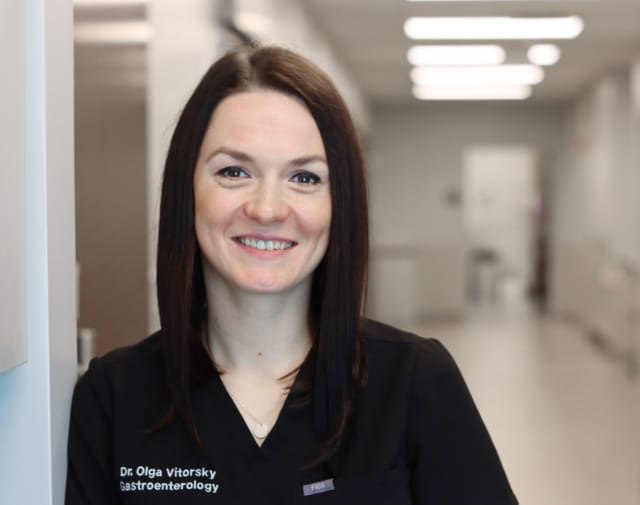
Written by Dr. Olga Vitorsky, Gastroenterologist


 View All Information