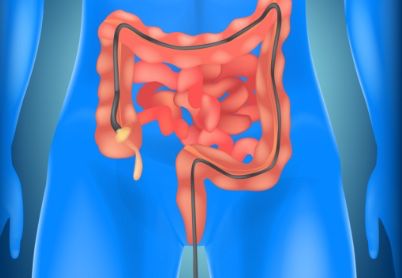
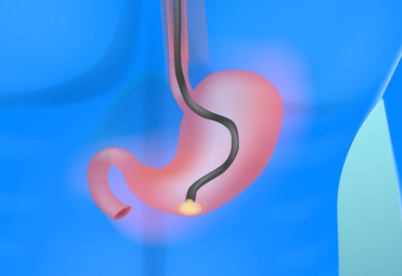
Anemia is a condition in which the body does not have enough healthy red blood cells to carry adequate oxygen to tissues and organs. In many cases, anemia is related to gastrointestinal conditions that affect nutrient absorption or cause chronic blood loss, such as ulcers, inflammatory bowel disease, or colon polyps. Identifying the underlying cause is essential, as untreated anemia can lead to fatigue, weakness, and more serious health complications.

Treatments & Procedures
Blood
Tests

Physical
Examination
- Common Symptoms
Symptoms of anemia can vary depending on the severity and cause, but may include:
- Fatigue
- Shortness of breath
- Dizziness or lightheadedness
- Pale skin
- Weakness
- Headaches
- Cold hands or feet
- Irregular or rapid heartbeat (in more severe cases)
- Frequently Asked Questions
Diagnosis typically involves blood tests and, when needed, further evaluation to identify an underlying cause.
Yes, anemia may be caused by poor absorption of nutrients, chronic inflammation, or blood loss from the gastrointestinal tract.
Evaluation is recommended when anemia is unexplained, persistent, or suspected to be related to digestive issues.