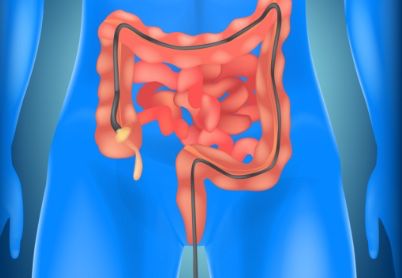
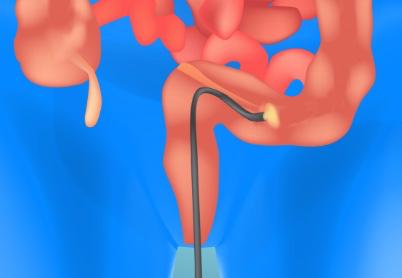
Colon cancer, also known as colorectal cancer, is a type of cancer that begins in the large intestine (colon) or rectum. It usually starts as small, noncancerous clumps of cells called polyps that form on the inside of the colon or rectum. Over time, some of these polyps can become cancerous. If you experience symptoms of colon cancer or are at higher risk due to family history or other factors, it’s important to consult with a healthcare provider for appropriate screening and early detection measures. Early detection significantly improves the chances of successful treatment.





 View All Information