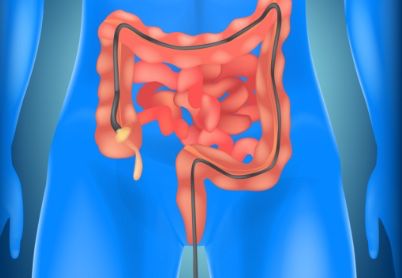
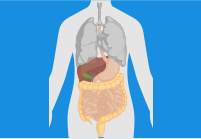
Ulcerative colitis (UC) is a chronic inflammatory bowel disease (IBD) that causes inflammation and ulcers in the inner lining of the colon (large intestine) and rectum. It typically develops over time and leads to periods and flare-ups (active symptoms) and remission (symptom-free periods).

- Common Symptoms
- Frequent diarrhea
- Abdominal pain and cramping
- Urgency to defecate
- Rectal bleeding
- Fatigue and weakness
- Weight loss and malnutrition
- Fever (in severe cases)
- Frequently Asked Questions
Triggers vary and may include stress, infections, or medication changes.
Symptoms can impact daily activities during flares, but many patients live full, active lives with proper management.
Long-term ulcerative colitis increases colon cancer risk, making regular surveillance important.