No Referral Required

GI Bleeding

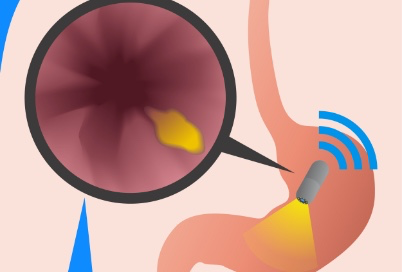
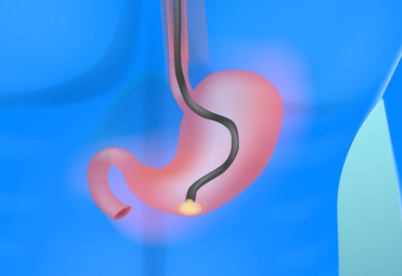
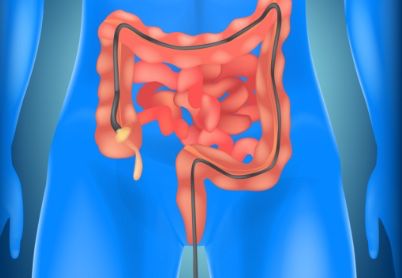
Gastrointestinal (GI) bleeding refers to any bleeding that occurs anywhere in the digestive tract – as from the esophagus to the colon. It can be the result of ulcers, inflammation, polyps, hemorrhoids, GI cancers, or other digestive disorders. GI bleeding may be obvious (such as bright red blood in the stool) or hidden and detected through tests. Early evaluation and diagnosis are key to effective treatment and preventing complications like anemia.

Treatments & Procedures

Blood
Tests
Imaging
Tests
Physical
Examination
Stool Tests

GI bleeding can present in various ways, including:

  • Bright red blood in stool
  • Black, tarry stools
  • Blood in vomit or vomit that looks like coffee grounds
  • Pale skin
  • Fatigue or weakness
  • Dizziness or lightheadedness
  • Pale skin
  • Unexplained abdominal pain

Causes may include ulcers, hemorrhoids, inflammation, polyps, or cancers of the digestive tract.

No, some bleeding may be hidden and only detected through lab tests or stool studies.

Gastrointestinal bleeding should be evaluated promptly, especially if it is heavy, ongoing, or associated with weakness or dizziness.

Gastroenterology Associates

Upstate South Carolina

Patient Portal

Better Healthcare. Better Results.

  • Eliminate time-consuming phone calls
  • Get fast & private communication with our clinical staff
  • View, download & share your personal health record (including medications, immunizations & test results)
  • Get appointment reminders
  • Request prescription refills
  • View lab, pathology and procedure results
Search