

 All News
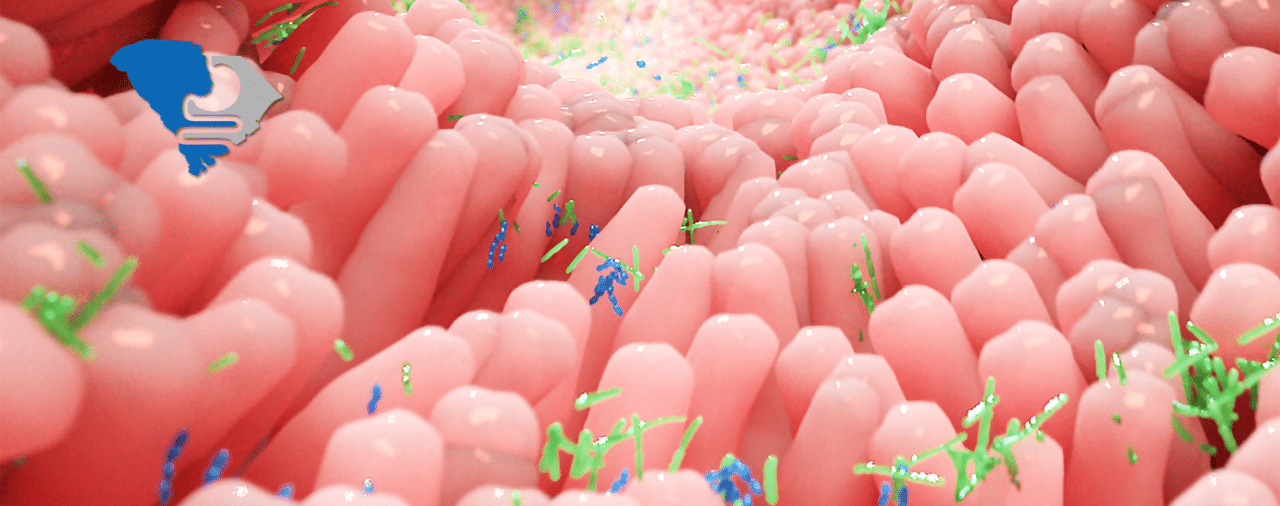
The gut microbiome refers to the fact that tons of bacteria live in the colon, are supposed to be there, and serve different functions for the body. This has been a hot topic of research lately, and scientists are still at the beginning of trying to figure it all out. I will mention several ways that the gut microbiome plays a role in clinical gastroenterology.
-
Bloating
This is often caused by different bacteria in the colon fermenting and metabolizing certain nutrients in the diet, thereby giving off gas that distends the gut and then comes out as burping or flatus. The first-line approach to this is trying a low FODMAP diet and a probiotic (any brand is fine). If this does not work, there are other things we can look for and try.
-
Clostridioides difficile (C diff)
This is a bad colon infection that causes terrible diarrhea. This can happen when antibiotics wipe out the good bacteria in the colon, allowing a bad bacteria (C diff) to run wild. There is a stool test for this, and the treatment is specific antibiotics (Dificid, vanco, etc.)
-
Antibiotic-associated diarrhea
Sometimes even if antibiotics do not cause C diff, they can still wipe away the good colon bacteria, giving rise to nagging diarrhea. The treatment for this is coming off the antibiotics, and sometimes a probiotic might be helpful.
-
Irritable Bowel Syndrome (IBS)
Altered gut microbiome is one of the underlying pathophysiologic processes that can cause IBS. This can result in diarrhea, abdominal pain, urgency, and bloating. There are many good IBS medicines to treat this. Unfortunately, probiotics are often not very helpful. Sometimes we do use an antibiotic (Xifaxan) to treat this by resetting the bacteria in the colon.
-
Small intestine bacterial overgrowth (SIBO)
Sometimes bacteria from the colon get into the small intestine where they are not supposed to be. This can cause diarrhea, abdominal pain, and bloating. There is a breath test to diagnose this, and it is often treated with an antibiotic.
-
Crohn’s and Ulcerative Colitis (IBD)
Sometimes a colon bacteria can initiate the autoimmune process by which the gut’s immune system attacks the gut. There are different biologics and advanced therapies that are used to treat this.
Final Thoughts
Your gut microbiome is one of the most influential, and most overlooked, factors in your overall health. While the science is still evolving, we already know enough to say that caring for your gut through diet, lifestyle, and appropriate medical guidance can have ripple effects throughout your entire body. If something feels off, don’t wait it out.
At Gastroenterology Associates, our team is committed to providing comprehensive care for all aspects of digestive health. Please don’t hesitate to text 864-589-6714 or make an appointment with one of our providers.
Written by Dr. Christopher Fyock, Gastroenterologist


 View All Information